North Okanagan Know-How: 6 Ways to Visit Responsibly & Respectfully
Visiting the North Okanagan is more than ticking off trails and lakes. When you come here, you’re stepping into the homelands of the Splatsin, a Secwépemc Nation, and Syilx/Okanagan people.
There are many nature spaces in and around our small communities, which locals care deeply about. With a little “North Okanagan Know-How,” you can reduce your impact and help keep this place feeling special for years to come.
Here are six simple ways to travel responsibly, stay safe, and leave the North Okanagan better than you found it.
1. Travel with a “mindful guest” mindset
Before you even pack your bags, decide what kind of guest you want to be. In the North Okanagan, community vibes, authenticity, and connection to the land are a huge part of the experience, so respectful travel starts with how you show up.
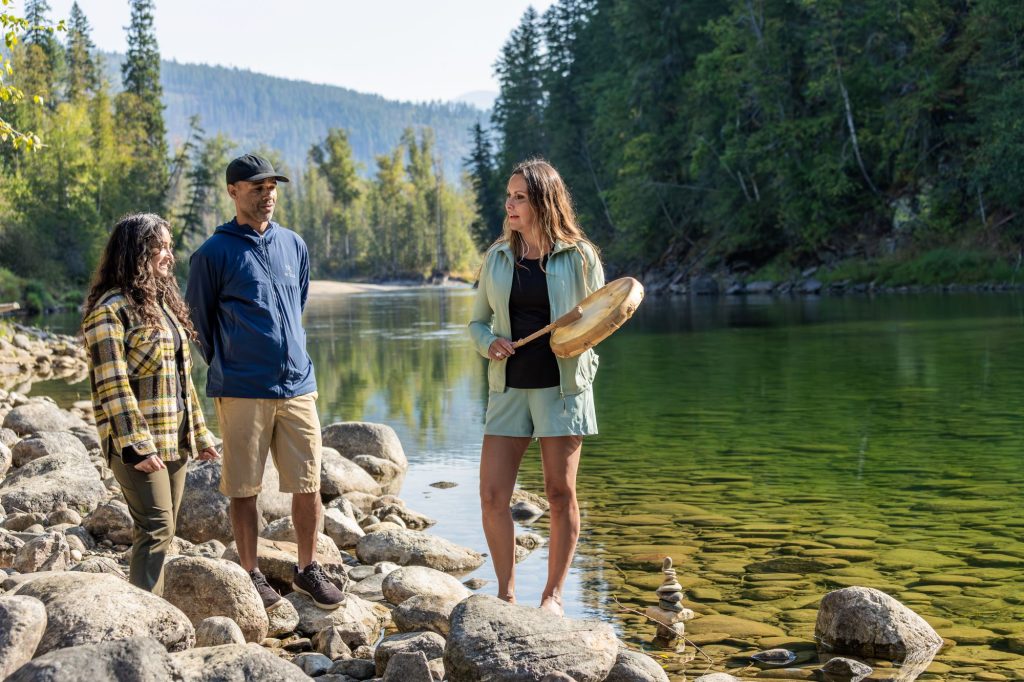
- Learn whose land you’re on. The North Okanagan is on the traditional, ancestral, and unceded territory of the Splatsin and Syilx/Okanagan Peoples. Take time to learn about their culture, stories and contemporary life of First Nations communities while you visit.
- Support local. Choose independent cafés, farm stands, markets, and small businesses. Your dollars directly support the people who make this region what it is.
- Slow your pace. This is a place where trails, lakes and main streets invite you to linger. Give yourself time to explore beyond the must-see spots, say “hi” to locals, and find those hidden gems.
This mindset sets the tone for everything else: safety, stewardship, and shared respect for the people and places that welcome you in.
2. Practice campfire safety
Summers in the North Okanagan can be hot and dry, and human-caused wildfires are preventable. If you’re camping or enjoying evenings outside, treat fire safety as non-negotiable.
Know before you glow:
- Check current fire bans and restrictions before you light a match. If there’s a campfire ban, that means no open flames, no matter how small. See the BC Wildfire Service for up-to-date information.
- Skip the campfire entirely if you’re unsure. When in doubt, don’t light it in the first place.
- If campfires are allowed: Build your fire in a designated pit or well-contained fire ring. Keep it small and never leave the fire alone (even for a quick walk ).
- Putting it out (really out): When you’re ready to head home, ensure the campfire is fully extinguished. Drown the fire with at least 8L of water. Only leave when it’s cool to the touch.
- When fire bans are in place, consider a CSA-approved or ULC-approved portable propane fire pit instead. You’ll still get the cozy evening glow, without the risk.
In the event of wildfires in our region, please follow the direction of local authorities.
3. Be AdventureSmart: Plan ahead before you hit the trails
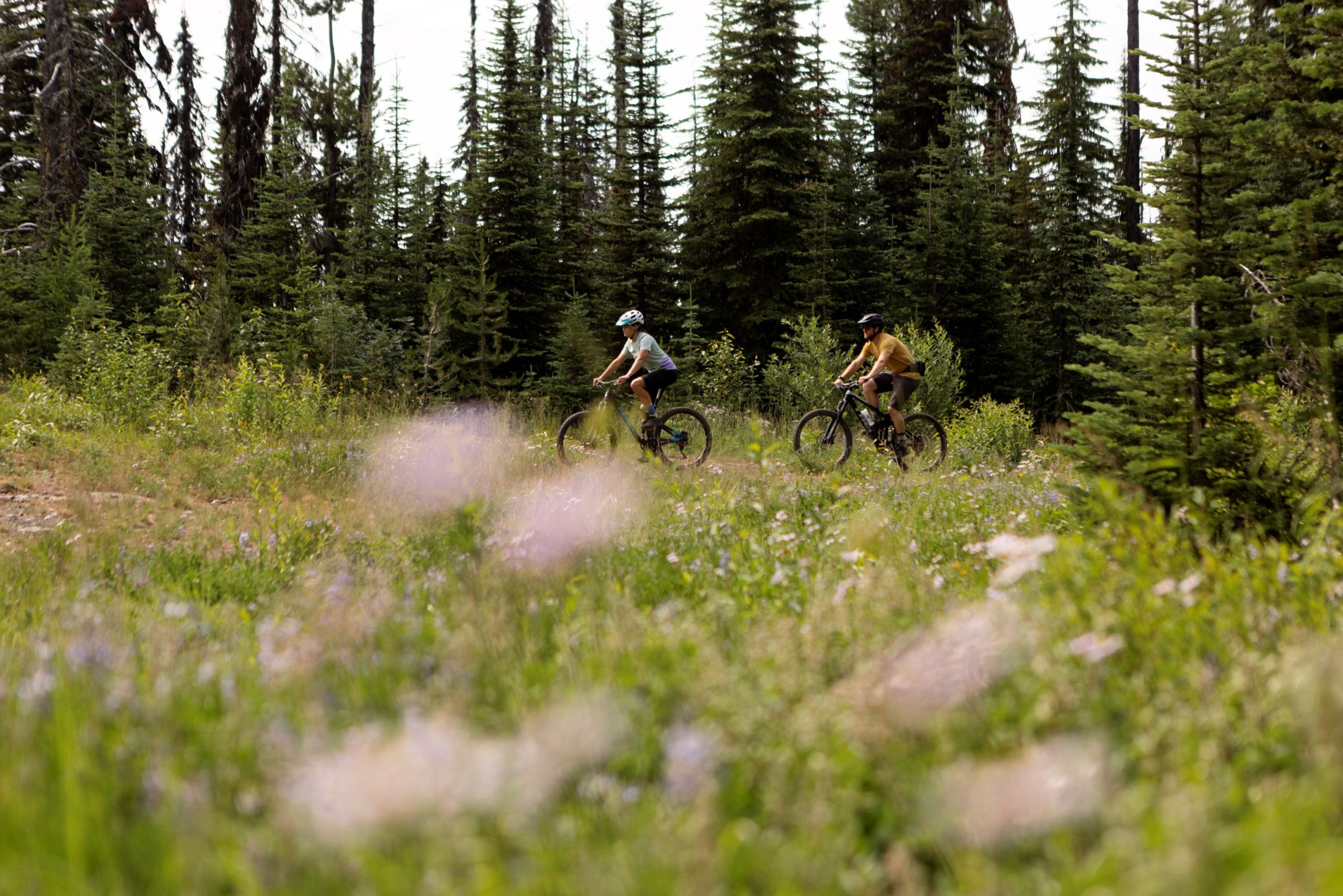
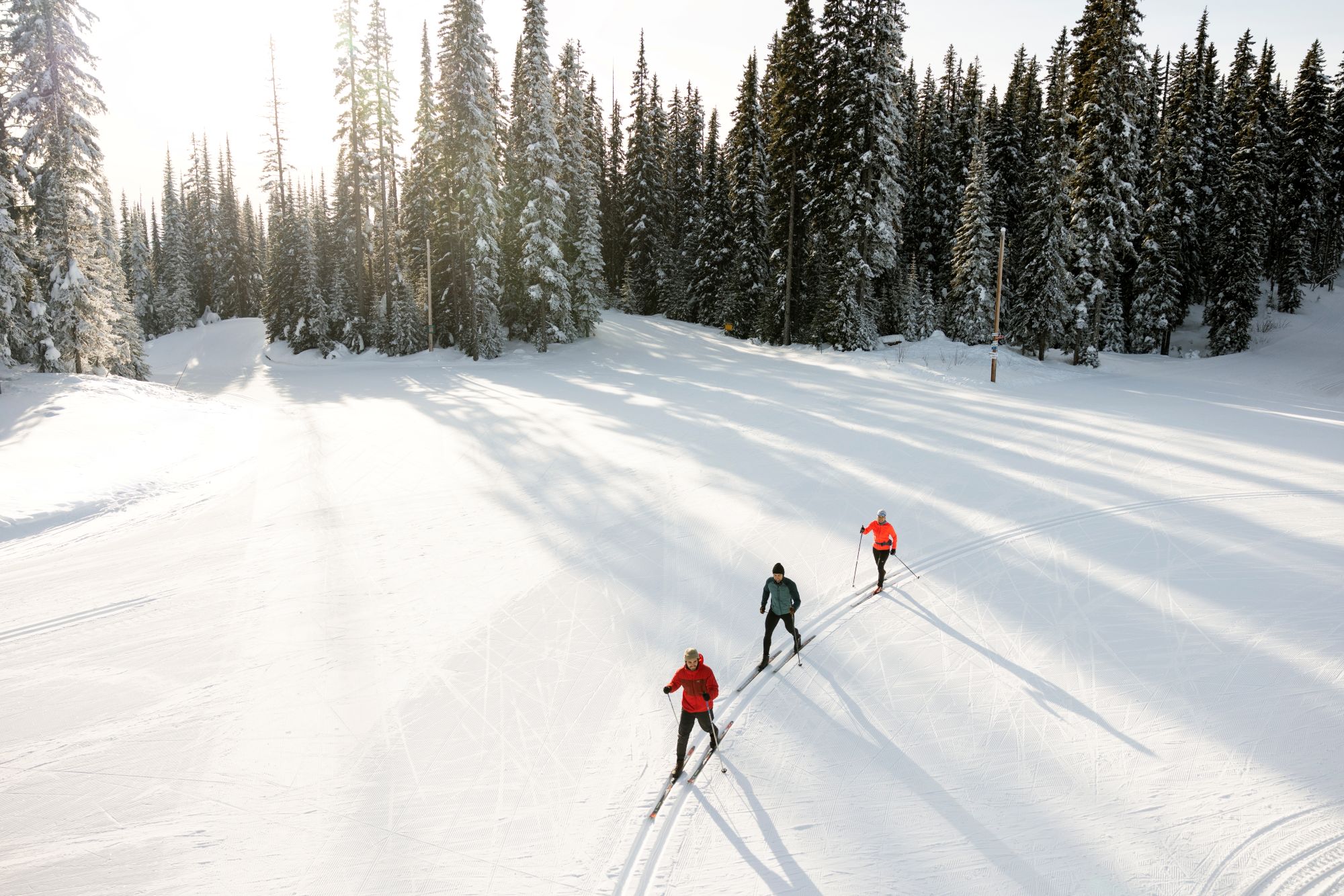
The North Okanagan is a dream for hikers, bikers, trail runners and winter adventurers, but being spontaneous shouldn’t mean being unprepared. Following the BC AdventureSmart Three Ts helps ensure you get home safely and reduce the risk of needing to call Search & Rescue. The Three T’s are:
Trip Planning
- Research your route, trail conditions, and weather.
- Choose adventures that match your experience level and current conditions.
- Leave a trip plan with someone you trust: where you’re going, who you’re with, and when you expect to be back. The BC AdventureSmart Trip Planning Tool is a great resource.
Training
- Make sure you have the skills for the activity and season, whether that’s navigating in the backcountry, riding technical trails, or travelling in winter conditions.
- Consider taking courses in navigation, avalanche safety, or sport-specific skills to build your confidence.
Taking the Essentials
- Pack “The Essentials” even for shorter outings. Bring sport-specific gear like bike repair tools, avalanche gear, or microspikes when conditions call for it. The essentials are: a flashlight or headlamp (with batteries), fire-making kit, signaling device (whistle or mirror), extra food and water, extra clothing, a navigation aid, first aid kit, emergency shelter, a pocket knife and sun protection.
Prepared visitors make better decisions, keep themselves safe, and reduce the need for search and rescue callouts, something the whole community appreciates.
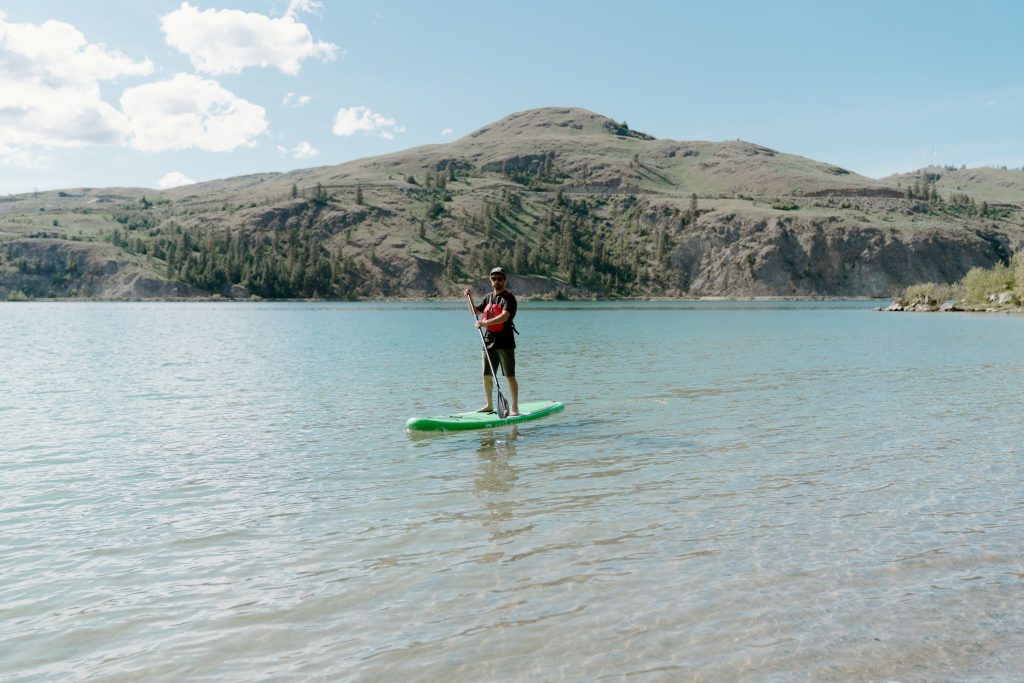
4. Stay safe on the water
Long summer days on the lakes and rivers are a huge part of the North Okanagan experience. Whether you’re paddling, boating, floating, or swimming off a dock, water safety is key to enjoying your day and coming home safely. Follow the PaddleSmart best practices to stay safe on the water.
- Wear your lifejacket. No excuses! A properly fitted PFD or lifejacket is essential for every person on the water, every time. Make sure it’s zipped or buckled up, not just sitting in the boat. And be sure to have a whistle.
- Prepare yourself and your crew Check the weather, wind, and water conditions before you launch.
- Match your route and distance to your group’s abilities.
- Let someone on shore know your plan and expected return time.
- Respect all water users. Rivers and lakes are often busy during the summer months, so be kind and patient.
Know the risks
- Know the signs of hypothermia. Cold water immersion can be life-threatening, even in warmer months. Dress for the water temperature, not just the air.
- Use extra caution around cliff jumping or unknown depths. Submerged rocks and shallow areas can cause serious injury.
- Be careful of currents and obstacles when on rivers.
Set your vessel up for success
- Carry required safety gear
- Don’t overload your craft with people or gear.
- Never drink or take drugs while paddling or boating. It could save your life or someone else’s.
Taking a paddling or boating safety course is a great way to build skills and confidence before you go.
5. Leave No Trace: Pack it in, pack it out
The trails, lakeshores, campgrounds, and viewpoints of the North Okanagan are special because they still feel wild and welcoming. Leaving no trace helps keep it that way, for wildlife, locals, and future visitors. Follow the Seven Principles of Leave No Trace and these tips:
- Pack out everything you pack in. Food scraps, wrappers, and micro-trash (like twist ties or cigarette butts) all need to leave with you.
- Stay on designated trails to protect fragile plants and prevent erosion. Shortcuts and “social trails” can damage habitats.
- Dispose of human waste properly. Use washrooms or outhouses where available. Otherwise, dig a cathole that is 15-20 cm (6-8 in.) deep that is at least 60 m (200 ft.) away from water, trails and camps. Follow proper backcountry protocols or use a pack-out system if required.
- Leave what you find. Rocks, plants, artifacts and cultural items belong where they are. Take photos and memories instead.
- Leave it better than you found it. If you spot litter, pack it out. Tiny actions add up.
These small choices make a huge difference in keeping the North Okanagan feeling pristine.
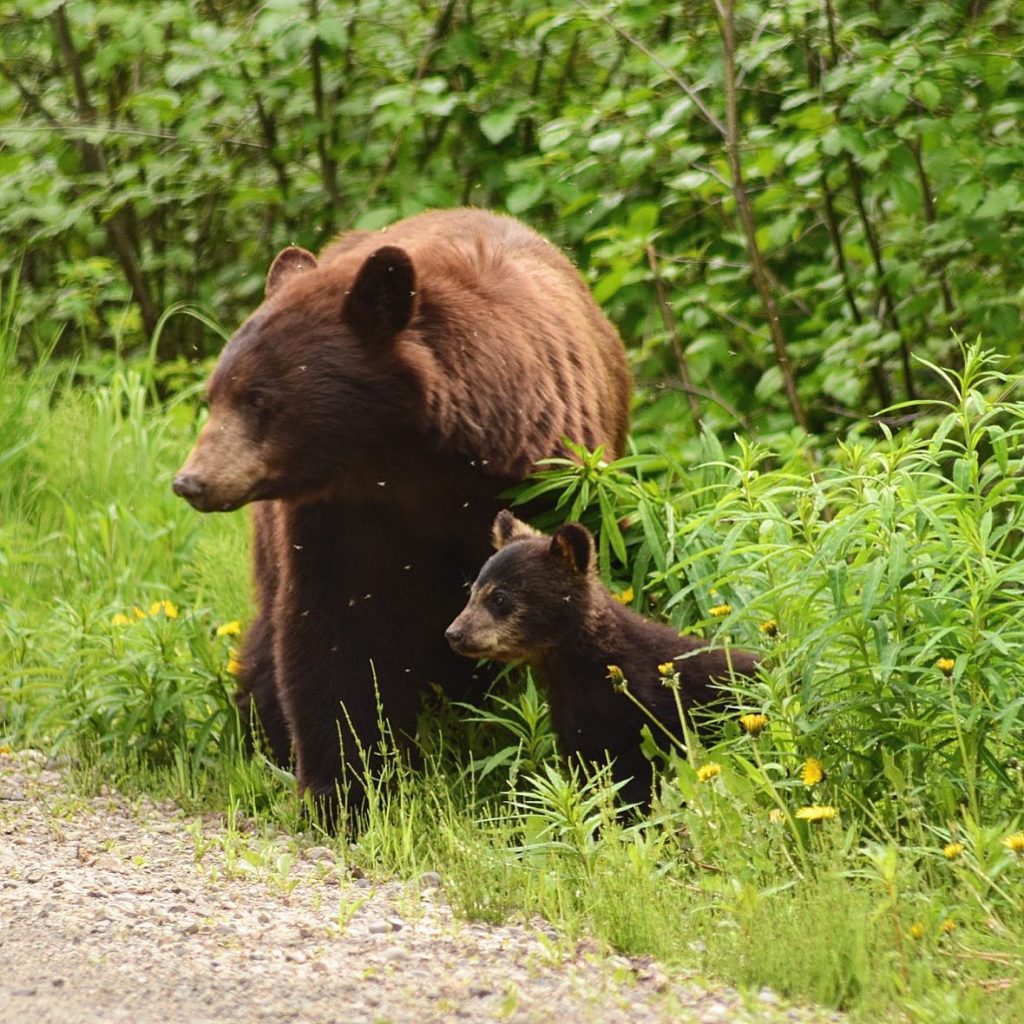
6. Keep wildlife wild
Seeing wildlife is exciting, but the safest and most respectful encounters are the uneventful ones. The goal? Animals that barely notice you and go on with their day, while humans and their pets also remain safe. Remember: wildlife is found everywhere, not just in the forest. Keep your eyes peeled wherever you roam.
- Give wildlife space Observe from a distance and use zoom lenses for photos. If an animal changes its behaviour because of you, you’re too close.
- Never feed wildlife. Feeding wildlife (intentionally or accidentally) teaches them to associate humans with food, which can lead to conflict and often ends badly for the animal. Store food, garbage, pet food, and scented items securely in vehicles or wildlife-proof containers.
- Keep pets under control: Keep dogs on leash on all trails. Never let pets chase wildlife.
- In bear country, carry and know how to use bear spray. If you’re spending time in bear country, bear spray is an important safety tool. Keep it accessible (not buried in your pack), and learn how to use it before you go.
By keeping wildlife wild, you’re helping protect animals, local communities, and fellow visitors. Follow WildsafeBC for more information.
Thanks for travelling thoughtfully
Responsible travel doesn’t mean giving up fun, but it does give you a richer experience. You’ll connect more deeply with the people, culture, and landscapes, and help keep this place vibrant for the communities who call it home.
Embrace “North Okanagan Know-How” as your guide, and you’ll be well on your way to being the kind of guest locals are genuinely excited to welcome back.
Amber Turnau
Amber is a freelance storyteller and outdoor adventurer who has spent nearly 20 years living in the beautiful Sea-to-Sky Corridor. When she’s not writing, she spends her spare time snowboarding, hiking, biking, and SUPing her way through beautiful BC.